

Teaching piano in 2020 has been and will continue to be a challenge. You didn’t need me to tell you that.
But one of the things I want to do this year is to try to make things just as easy as possible for ComposeCreate® teachers. [If you get the newsletter or are a customer, then you are a ComposeCreate® teacher. No subscription is required to get all the perks of being in this community!]
So everything I release this year is going through an extra measure of questioning:
- How can I make this easier for teachers?
- How can this work for online teaching?
How Are the 2020 30 and 40 Piece Challenge Charts Different?
This year’s 30 and 40 Piece Challenge Charts are no exception. Yes, we changed the color to Pantone’s color of year which was a lovely blue. But I also wondered if there was anything I could do to make things easier.
Sometimes it’s the little things that make a big difference. So here are the three little things I changed about the 2020 Charts that should help:
1. Separate Student Chart PDF
The Student Chart (the chart where students keep track of their pieces which they keep in their notebook) is a separate PDF file so you can just email it to your students and say, “Print this and put it in your notebook!”
2. A Second Wall Chart Page
If you have more students than can fit on the usual one page chart we include, we now have a 2nd page that you can just print and display right under that chart so all students can be on the same chart.

3. Separate Certificates – easier printing job
It’s a pain to type in one student’s name on the certificate and then print, then have to delete the name, type in another, and print again. So, we decided to just include a separate file of 10 certificates where you can type up to 10 students names and print it at once! You’ll notice that you only have to type your teacher name and date one time – it gets automatically filled in on the rest of the charts!
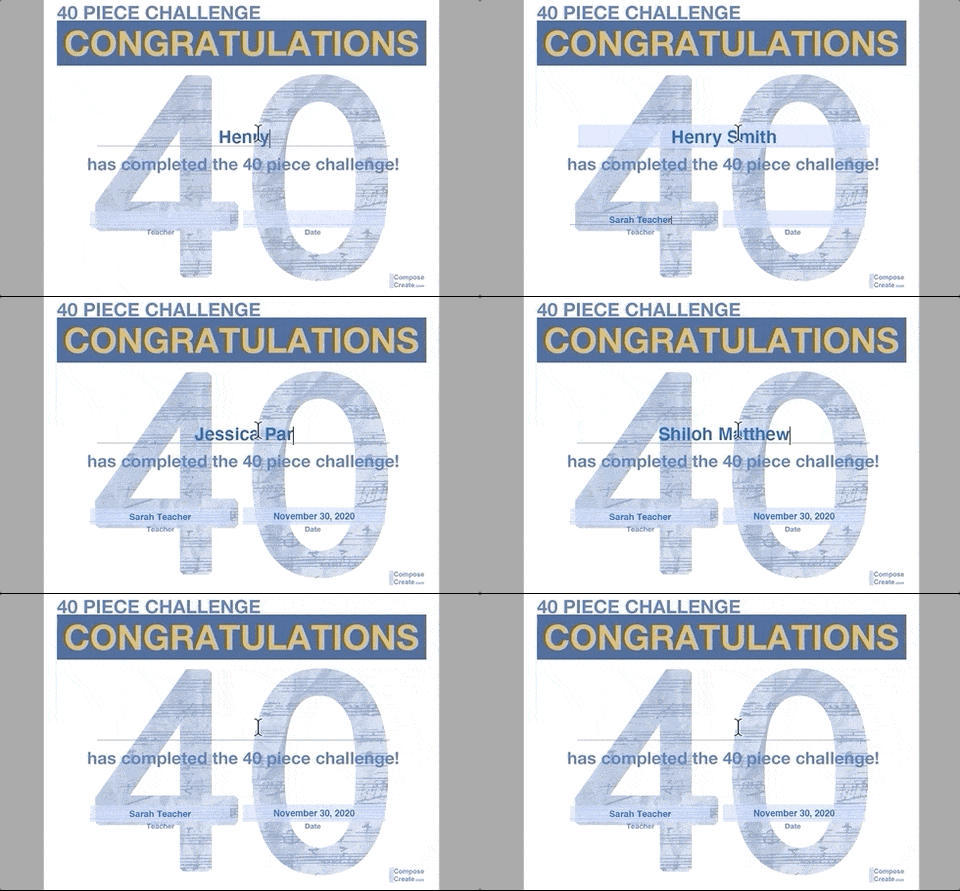
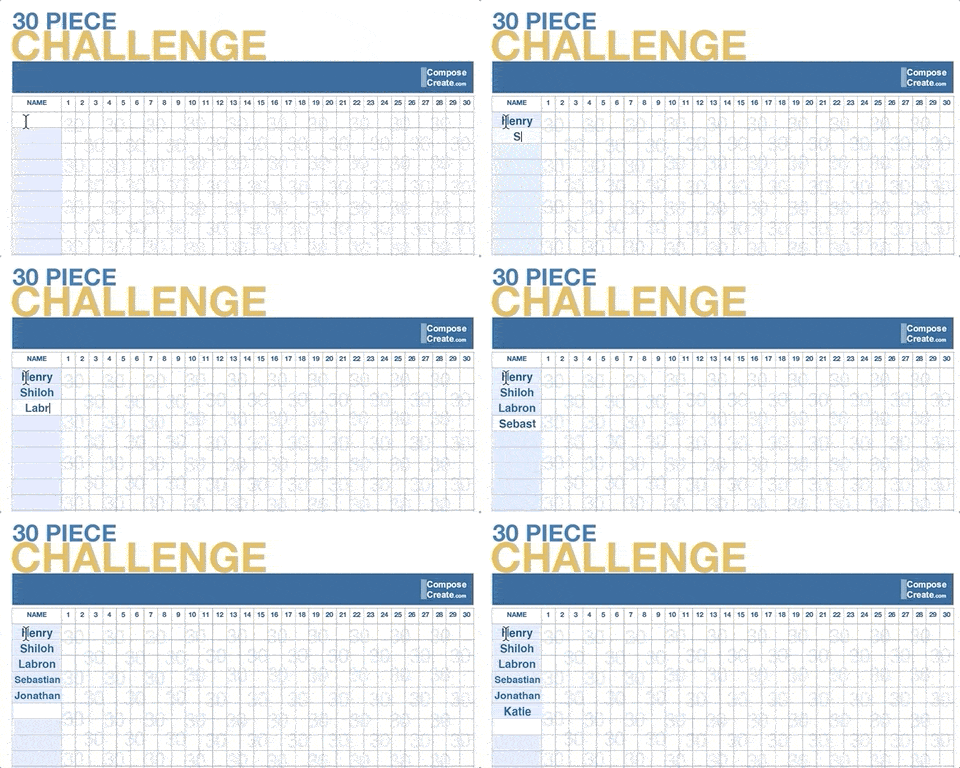
Look Professional – Type in Student’s Names
As usual, we have kept the other improvements that we’ve made of the years that make you look professional. All you have to do is open the file in Adobe Reader and then begin typing your students’ names in the boxes. You can do this with the certificates as well. Easy peasy.
Get Them Here! They’re free.
Just fill in your first name and email and you’ll have it in your inbox within minutes.
How Does the 30 or 40 Piece Challenge Work?
There’s been lots written about this challenge, so I’ll link to those articles at the bottom of this post. But here’s a quick summary:
While it’s important for your students to learn substantial piano literature throughout their study with you, sometimes learning those big or longer pieces means that they get stuck with the same music for weeks and months and become stagnant in their motivation, sight-reading, exposure to new music, and even their progress!
So challenging your students to learn 30 or 40 pieces well during the year will help them with all of these things! The pieces do not have to be memorized. They just have to be played accurately and musically (I always allow for a few mistakes just because kids are human). The pieces should be a combination of music above their level, at their level, and plenty of music below their level (but not so easy they can play it perfectly the first time). When students see how many pieces they are learning, they often begin to be motivated by the music and by learning more pieces, so it’s a wonderful system of intrinsic motivation.
The challenge was first conceived and introduced by Elissa Milne. She is a wonderful pedagogue and friend of mine and I am more than happy to showcase her challenge and provide these beautiful charts for teachers.
Can My Intermediate and Advanced Students Do This Challenge?
It can definitely be more challenging for advancing students to do the 30 and 40 Piece Challenge, but it’s not impossible and I have had a number of students Jr. High and High School age do it!
The key is to remember that this program should always include music that is challenging (you probably are already teaching them challenging music), must that is at their level, but also music that is easier than their level. This music shouldn’t be able to sight read perfectly on the first reading, but it should be music that they can easily work up in a week or two at the most.
The early intermediate Short Sheets®, mid-intermediate Short Sheets®, and late intermediate Shorts Sheets® are especially effective because they are substantial piano literature with musical depth, but they are short (1-2 pages).
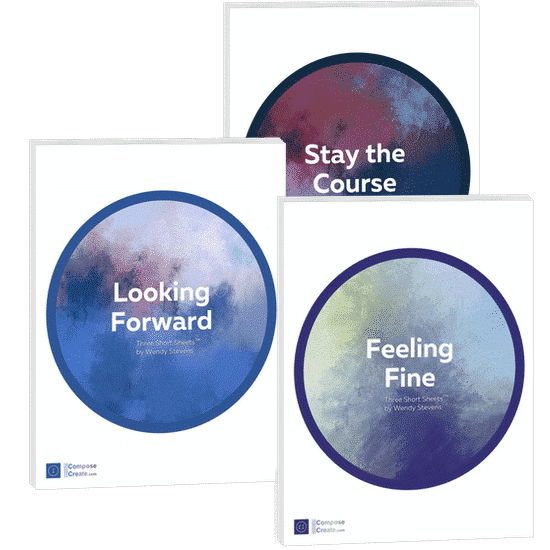
So for example, if you have a mid-intermediate student, they would especially benefit from both the mid-intermediate set, but also the early intermediate set too (remember that they need some music that is able to be accomplished in week).
How to find music for the 30 and 40 piece challenge:
Short Sheets® are perfect for this challenge because they are one-page pieces that students can learn quickly, but still are pedagogically sound. So you can use Short Sheets® music below, at or above the students level to help them learn more music while they are also learning the bigger pieces you have assigned.
The Free Student Solutions Catalog helps you find music specific to student problems, needs, or interests. It’s a catalog unlike any piano pedagogy catalog available today!
Get Them Here! They’re free.
Just fill in your first name and email and you’ll have it in your inbox within minutes.
If You’ve Done the Challenge, Tell Us How!
Teachers are always asking specific questions about how to do this challenge, so if you have already done this challenge with your students, please leave a comment with any tips or ideas you have!
Read More About the Challenge:

Thanks, Wendy, for the great tweaks for this year! The student PDF chart will be great for remote teaching, and the new 2nd page for the wall chart will be much easier. Thanks for your positive outlook – it helps me so much!
Thanks Wendy for the PDF charts! I’m ready to go but have one question. Do you ever use Method Book songs for the Challenge, or only music from outside the Method Books?
As always, fabulous resources to support repertoire-rich teaching and learning!
It’s up to you, but yes, for some students I have used method book pieces (my rule was that they had to be at least 16 measures). But it’s really so dependent on the student. You can make it work how you need to make it work – there’s a lot of flexibility!
It’s all because of your wonderful idea and being a champion of repertoire-rich teaching and learning! You’re the best!
Wendy, how do teachers recoup their expenses when they’re purchasing bundles from you? When I purchase single copies of pieces through different publishers, I simply bill for each piece I buy for them. I have been known to take an actual book of music and break it into sections and charge per page according to the number of pages I give a student. But with bundles I don’t know how to do this fairly.
Do you have a suggestion. I already charge a studio supply fee, but that is covering studio software, entrance to Jr. Festival, entrance to Guild, and recital expenses.
It does not include music. I truly like most of the pieces on your site.
Hi Virginia,
That’s a great question and I wrote a whole article about it to answer since several teachers have asked. The main thing to remember is that you are building basically a library of music to give to your students, not individual pieces for each student. So remember that music that is studio licensed can be used for any of your students. So the same piece that’s right at the perfect level for Sally would be great sight reading material for James who is a little more advanced. Then, it’s a great challenge piece for Charlie who wants something impressive for his recital piece. It’s so much more economical than just buying individual pieces for each student (and it saves you tons of time).
Here’s that article that show you how to make a budget (that is funded by your families) for building your studio licensed library: https://composecreate.com/how-to-afford-studio-licensed-music/