

At ComposeCreate®, we love to present new and wonderful compositions to the world, brought to you by innovative composers! Piano teachers are rich with options when it comes to repertoire, but what about jazz repertoire for piano students?
Our talented new jazz composer Jeremy Siskind is adding exciting (and student-friendly!) options with a new bundle of jazz repertoire for the ComposeCreate® catalog. He also offers advice in this article about how to teach jazz to piano students, especially for teachers who may feel skittish about teaching jazz.
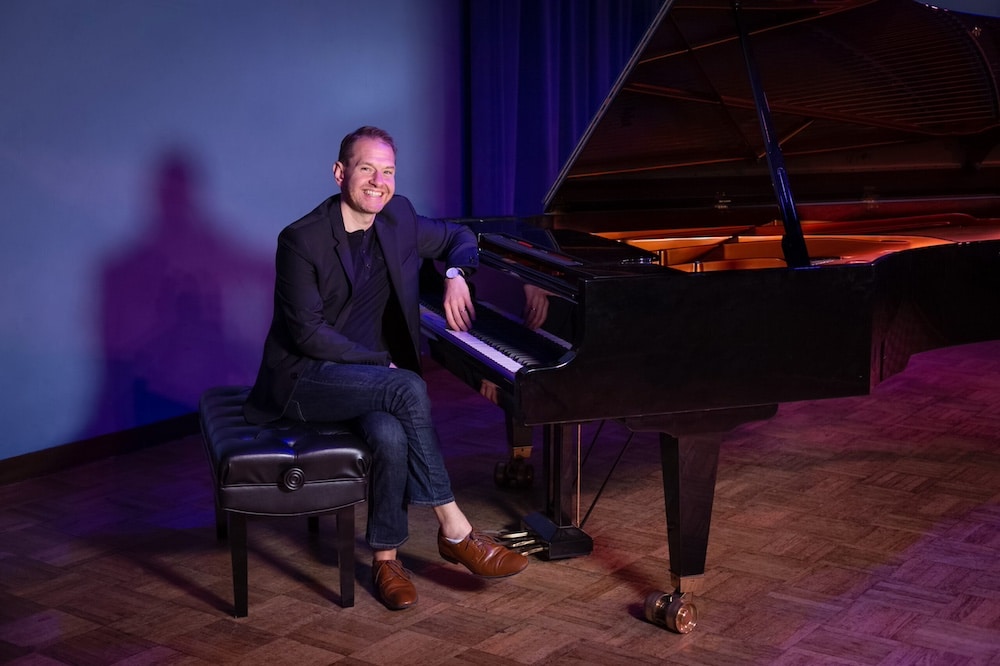
Photo by Donna Edman
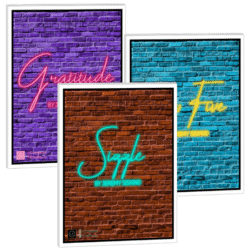
Jeremy’s new ComposeCreate® pieces are bundled into a “Swing ‘n Sizzle” bundle. This bundle comes with three innovative and exciting pieces, plus an audio recording played by Jeremy himself! The recordings are meant to be used in tandem when teaching the bundle pieces since listening to music while learning is integral to learning jazz pieces. Scroll down to read our new jazz composer’s teaching tips for introducing these pieces to your studio, and utilize the links below to hear and see samples of each piece.
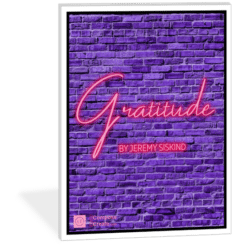
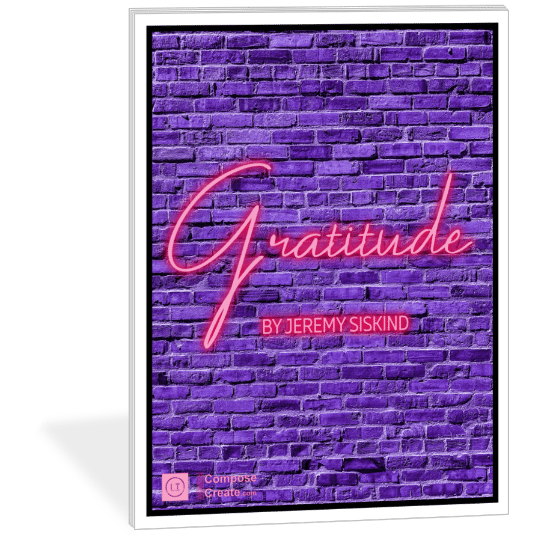
- Gratitude: With a beautifully flowing melody and accompaniment, Gratitude is a late intermediate piece for a day when the world feels new. This lyrical piece contains lovely elements of authentic jazz, like shifting harmonics, syncopated rhythms, and cluster chords – but it also is uncluttered, filled with easy-to-grasp patterns, and devoid of difficult sections that bog students down.
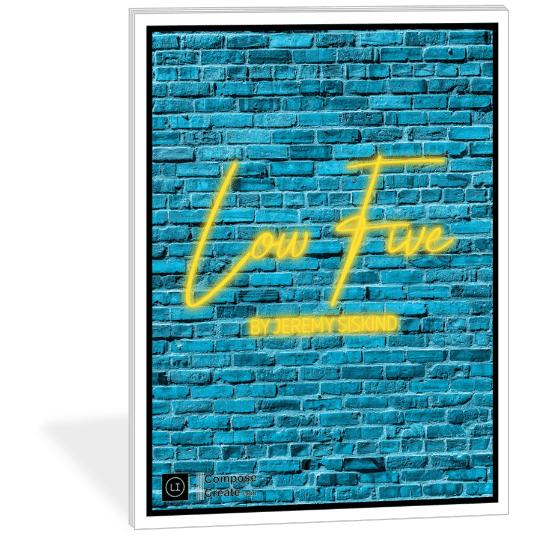
- Low Five: This mellow piece for spying sleuths has a relaxed, repetitive left hand pattern, making the 5/4 time signature less intimidating. The right hand shifts between octaves, showcasing an alluring and relaxed melody that will captivate your students! Inspired by the famous tune “Take Five” by Dave Brubeck, but with a groovy, fun mood, “Low Five” is a wonderful change of pace for your [early intermediate] students.
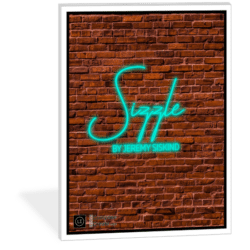
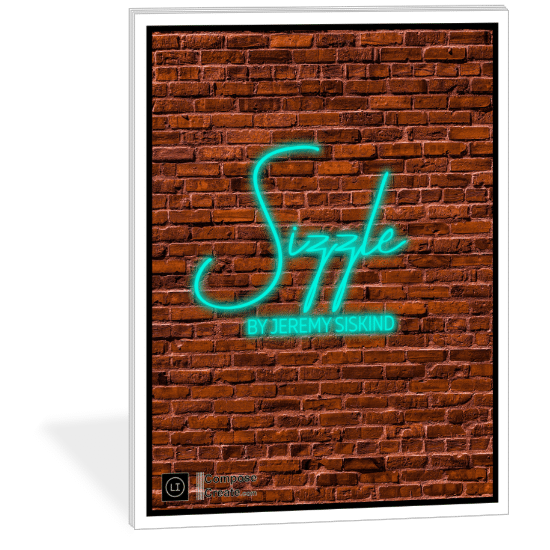
- Sizzle: Sizzle is a late intermediate blues piece evocative of lazy, hot summer days. The walking bass grounds the rhythm while the right hand melody features grace notes that emulate bending pitches. Sizzle is pure fun – and a good challenge for great readers who will enjoy the rhythmic constancy of the bass line while coordinating with the right hand! Your students will be cookin’ up spicy and sizzling jazz riffs in no time after getting in the kitchen with Sizzle!
-
Product on sale
 Original price was: $32.97.$30.99Current price is: $30.99.
 -
 $10.99
 -
 $10.99
 -
 $10.99
Interview with Jeremy Siskind
We interviewed Jeremy recently to learn more about him! See what he says about his new “Swing ‘n Sizzle” collection along with his background and advice for teachers:
Please tell us about your background.
I don’t come from a musical family, but I was put in piano lessons very early through the Yamaha system. It was a great fit! I was a kid who did not love to play the notes on the page the same way every time and the Yamaha program got me composing, improvising, singing, and playing in ensembles from a very early age.
When I was about 12, my teacher said to me “you have terrible technique but a great ear, you should be a jazz pianist!” and had me take lessons with a colleague, a fantastic jazz pianist and composer named Linda Martinez. I later double majored in Jazz and Contemporary Music and Music Theory at the Eastman School of Music but took classical lessons during my entire tenure at Eastman. At my Carnegie Hall debut, after studying with teachers like Sophia Rosoff, Fred Hersch, and Tamir Hendelman, I played Debussy’s Etudes in the first half and jazz standards in the second half.
How do you feel your classical training informed your jazz studies?
Firstly, playing the piano well is essential to any style of music. I believe that just as some singers can captivate an audience just by “singing the phone book,” the quality of tone and phrasing at the piano will translate no matter the genre. Furthermore, jazz piano contains two elements – “jazz” and “the piano”. Regarding the piano, there is so much great music written for this instrument before jazz history begins. There is an infinite amount to learn about how to approach the instrument by studying the music of great classical composers and the interpretations of great classical pianists.
Was there a point in your life where you knew what musical path you wanted to take?
I still don’t truly know! I always take reassurance that the word “career” means “wandering,” and I feel like I’m always wandering towards new goals, attempting to keep things interesting for myself. One thing I know that I like is variety. I’m happiest when I can do some composing, some arranging, some performing, some online teaching, some in-person teaching, etc. If it’s too much of any one thing, I start missing the rest!
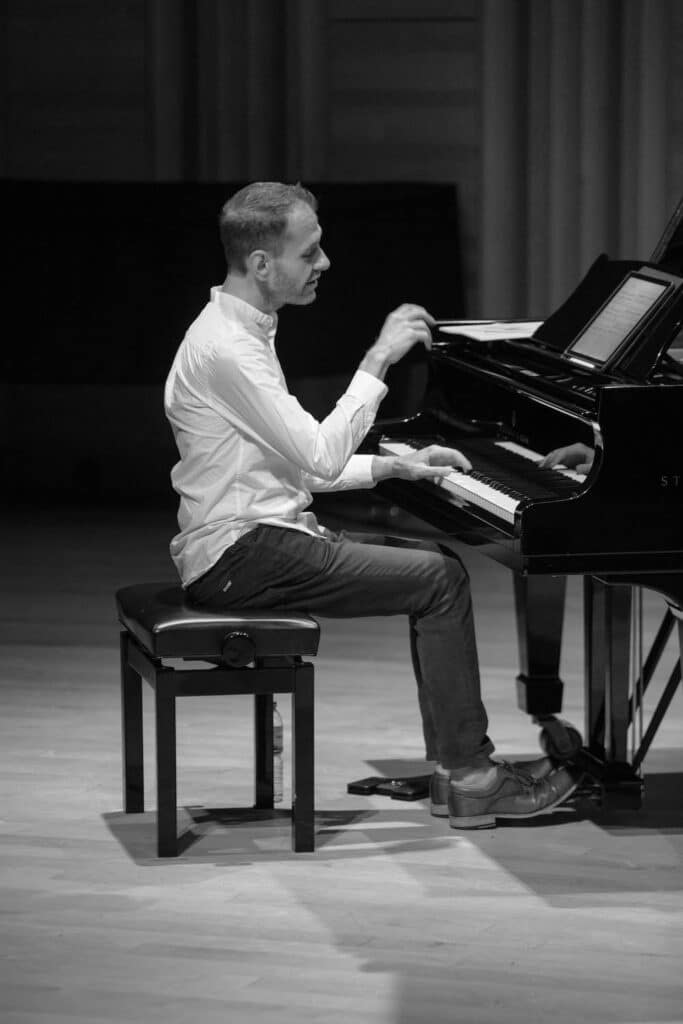
Photo by Mauro Ribeiro
What is your life like as a jazz composer and performer?
Glamorous! I’m only kidding. Jazz is an interesting artform in that it is a nexus of art music, popular music, and folk music. That means that sometimes, jazz musicians perform in grand concert halls, whereas other times they perform as background music in a restaurant, or as dance music for a party. I certainly do all of those things, plus teach, create online content, and compose. As a recent example, tomorrow (it’s July), I’ll be going into the studio to record a Christmas album with a singer! It’s funny to be playing Christmas music in July, but it’s necessary to record that kind of thing in advance!
What is your advice to a piano teacher who is classically trained but wants to play jazz?
Firstly, I always want to commend teachers for their courage when trying something new. It’s scary and bold! Second, be gentle with yourself! These learning processes take time and lots of stumbles. Thirdly, don’t overload yourself with information. Take things bit by bit and be careful to stick to just one or two resources instead of getting overwhelmed with everything available online. Fourthly, find community. Even if it’s scary to play with others, it’s really deeply important and all of your learning will be more sticky.
What do you suggest as the best way to teach jazz to students?
Whatever it is, it has to involve lots of listening. Jazz is an aural language and if you don’t know what it sounds like, you’ll never be able to create it. Listen and learn to sing solos instead of diving in too deep too early into the theory. The theory’s easy to learn but will keep you at a “surface level” whereas the solos are hard to learn but will give you true depth.
Can you give us your top tips for teaching your new “Swing ‘n Sizzle” pieces?
Sure!
“Sizzle” is a blues tune and needs a good swing feel. Pay attention to your articulation. The grace notes are meant to imitate a pitch bend-style slide, so the grace notes and main notes should overlap more than they would in classical music. The left hand is mostly imitating a bass, so it’s important to keep it low and legato. Don’t forget the 8vb! Subdivide each beat into three parts to really get the swing feel. For inspiration, listen to Oscar Peterson’s piece “D & E” from We Get Requests.
“Low Five” is in five-four and has a similar groove to the classic Dave Brubeck “Take Five,” which would be really good listening inspiration. Most students tend to rush the last two beats of the measure (the quarter notes), so think of those as being solid and spaced out. This piece is like a “fight” for dominance between two keys, D minor and F minor. Follow those two chords in the music to see who “wins” the battle.
When I wrote Gratitude, I was thinking of the music of guitarist Pat Metheny and pianist Lyle Mays. Lyle Mays’ EP Eberhard could be a fun thing to listen to for inspiration. The trickiest thing about this piece is all of the offbeats. Quite often, the pianist doesn’t play on the beat, which means that you need to be keeping the beat somewhere else on your body, such as in your feet. Practice a lot with the metronome in order to make sure you’re staying steady despite the syncopation.
Is there anything you’d love teachers to know about these three pieces?
Because this is jazz, if you want to add more syncopation or grace notes anywhere, please feel free! What’s written on the page is just the start!
Do you have any questions for Jeremy?
I’m so grateful to Jeremy for taking the time to answer my interview questions! By the way, here is Jeremy’s website.
Do you have any thoughts about the new “Swing ‘n Sizzle” bundle or questions for our new jazz composer? Are you brand new to teaching jazz, or have you already implemented some of Jeremy’s tips? Wherever you are in your jazzy journey, the “Swing ‘n Sizzle” bundle and accompanying mp3s are a fantastic way to give your students a taste of authentic and pedagogically sound jazz music.
-
Product on saleOriginal price was: $32.97.$30.99Current price is: $30.99.
-
$10.99
-
$10.99
-
$10.99

